

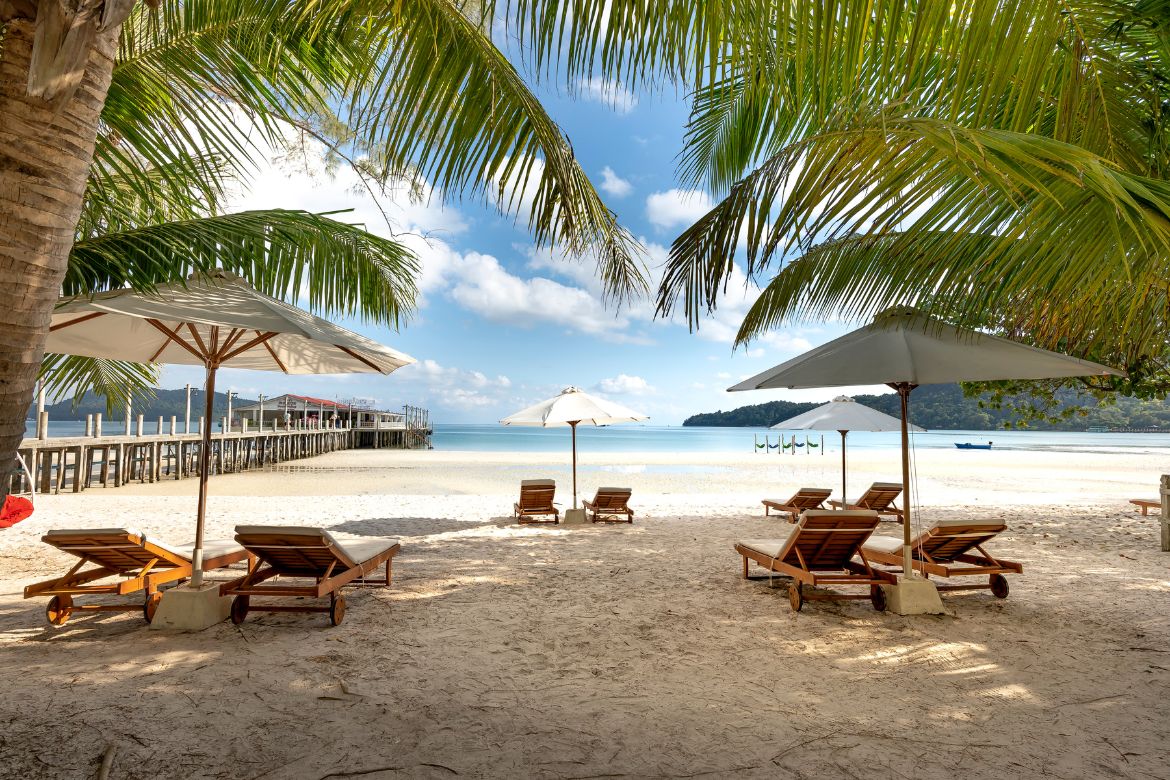
Phuket has long been a dream destination for remote workers. Sun-drenched beaches by day, laptops and lattes by night. But many digital nomads are asking the same question: Is Phuket still worth it?
Whether you’re researching the digital nomad Phuket 2025 lifestyle or exploring the new Destination Thailand Visa for long-term stays, here’s what you need to know before booking that one-way ticket.

Cost of Living: Affordable Comfort, Island Style
For remote workers, Phuket still offers strong value. Living costs vary depending on your lifestyle, but most nomads find it possible to balance comfort with affordability.
Housing is your largest expense, but options are flexible:
- A one-bedroom apartment runs 15,000–35,000 THB/month depending on location and amenities.
- Co-living spaces start from 8,000 THB/month, often including furniture, internet, and cleaning. Plus built-in networking opportunities.
Food is where Phuket shines:
- Local street food meals can cost as little as 50 THB.
- Western-style cafés and restaurants cost more but are still cheaper than in most Western countries.
Transport is easy and affordable:
- Most nomads rent scooters for 3,000–4,000 THB/month.
- Utilities (electricity, water, internet) typically land between 2,000–5,000 THB/month.
- Fast fiber internet is common, often bundled with rent or coworking memberships.
Bottom line: You can enjoy a comfortable lifestyle here without breaking the bank.

Coworking Spaces & Internet
The remote work infrastructure in Phuket has matured by 2025. With more than 50 coworking spaces across the island, you’ll find everything from creative, café-style setups to dedicated office environments.
Pricing:
- Day passes from 100 THB (~US$3).
- Monthly memberships starting at 2,800 THB (~US$80).
- Private offices and dedicated desks for those needing extra focus.
Most coworking spaces feature:
- Fibre-optic internet with speeds of 20–50 Mbps.
- Backup WiFi to keep you online during outages.
- Regular workshops, networking nights, and skill-sharing events.
This means you can work efficiently, meet like-minded people, and enjoy a work environment that feels far from the typical office grind.

Community & Networking for Digital Nomads in Phuket
Phuket’s digital nomad community is one of its biggest draws in 2025.
In-person connections:
- Popular coworking hubs like HOMA, HATCH, and Garage Society host meetups, cultural workshops, and after-work socials.
- Community managers often help newcomers settle in and make introductions.
Online connections:
- Facebook groups such as Phuket Digital Nomads are buzzing with event announcements, housing leads, and advice threads.
- You can find everything from language exchanges to industry-specific meetups.
Activities you’ll find:
- Business and productivity talks.
- Yoga, meditation, and wellness classes.
- Island excursions, group hikes, and beach gatherings.
This is more than just a place to live, it’s a ready-made network of friends, collaborators, and travel companions.
Lifestyle & Location: Work-Life Balance
Phuket offers more than a beautiful backdrop for work. It’s a lifestyle that blends productivity with tropical living.
When you’re working:
- Strong fibre internet and reliable 5G keep you connected.
- Coworking spaces are spread across the island, from Patong’s vibrant energy to Rawai’s laid-back vibe.
When you’re not working:
- Relax on the beach, explore waterfalls, or take part in outdoor sports like diving and paddleboarding.
- Stay active at gyms, yoga studios, and wellness retreats.
- For something uniquely Thai, consider training at Petchnumnoi Muay Thai Gym, a respected Muay Thai school that welcomes all levels. Beyond fitness, training here can also support your Destination Thailand Visa (DTV) application, giving you the option to combine work, health, and cultural immersion in one package.
Neighbourhoods to match your style:
- Patong: Best for nightlife lovers and social butterflies.
- Rawai, Kata, Kamala: Quieter, community-focused, ideal for longer stays.
- Phuket Old Town: Cultural charm with colourful Sino-Portuguese buildings, galleries, and markets.
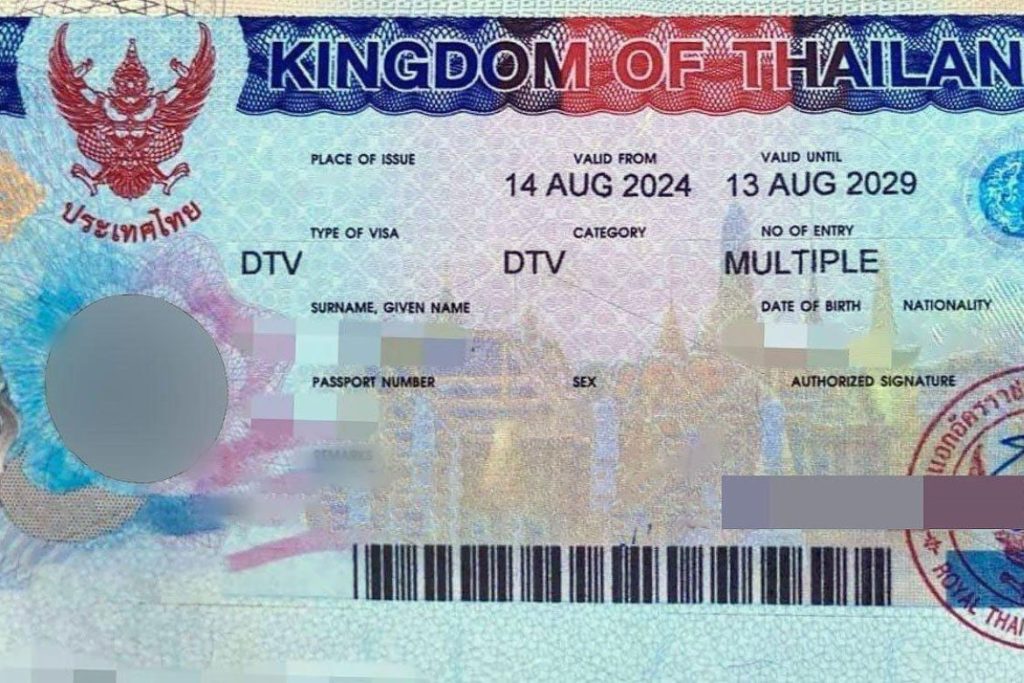
Destination Thailand Visa (DTV) for Digital Nomads
Thailand’s DTV visa is designed for digital nomads and remote freelancers who want long-term flexibility.
- Stay up to 180 days per entry, extendable for a total of 360 days annually.
- Multiple entries, valid for five years.
- Requirements: proof of remote work for non-Thai clients, age 20+, and 500,000 THB in recent bank statements.
One appealing way to qualify is through Muay Thai training at an approved gym. Enrolling at Petchnumnoi Muay Thai Gym provides not only world-class coaching but also the official acceptance letter you’ll need for your DTV application. You can secure your visa now and start training whenever it fits your schedule, giving you both security and flexibility.
Pros & Cons of Being a Digital Nomad in Phuket 2025
Pros:
- Affordable living with diverse lifestyle options.
- Fast, reliable internet and plenty of coworking spaces.
- Friendly, well-connected nomad community.
- Beaches, culture, and modern conveniences in one place.
Cons:
- Higher costs during peak tourist season.
- More expensive than some Thai alternatives like Chiang Mai.
- Tourist-heavy areas can get crowded.
Final Thoughts
Phuket in 2025 continues to be a strong choice for digital nomads, offering affordable living, excellent work infrastructure, and a thriving community. With the Destination Thailand Visa making long-term stays easier than ever, plus opportunities like training at Petchnumnoi Muay Thai Gym to help secure it, the island offers both stability and adventure for remote workers.
For many, it’s the perfect base to work, explore, and live the kind of lifestyle most people only dream about.
Source: Thaiger